Section 1: Reading for Yourself: Removing the Veil
Reading for oneself is a profound act of introspection but is easily tainted by personal desires and fears. The High Priestess teaches us that the answers often lie behind the veil of the subconscious, and our personal agenda can cloud the vision.
The Three Pitfalls of Self-Reading
Wish Fulfillment: This is interpreting ambiguous cards (like The Moon or the Seven of Cups) in the most positive light, regardless of the surrounding evidence. Your hope overrides objective analysis. To combat this, always ask: If this card were for a stranger, what would I tell them first? Be your own most critical reader.
Repetition: This is the addictive habit of asking the exact same question repeatedly (e.g., "Will I get the job?" every day). This only creates noise and confusion. If a reading is unclear, you must change the question (e.g., to "What action should I take to improve my chances?") or wait a minimum of one week before drawing again on the same topic.
The Shadow Effect: This occurs when you draw the card you secretly fear (like The Tower) and immediately interpret it as the absolute worst-case scenario. This is projection. The Shadow Effect is managed by asking, What smaller, constructive lesson does this card hold right now? Not all destruction is cataclysmic; it may just be the end of a bad habit.
Techniques for Self-Clarity
The Oracle Swap: After shuffling and cutting your deck for a spread, turn the deck over and look at the bottom card. This card holds the overall hidden, subconscious energy influencing the situation. It acts as a silent modifier. Read the main spread through the lens of that bottom card to gain deeper, less biased insight.
The Journal Dialogue: This technique forces objectivity. Draw one Major Arcana card. Place it on the page. Write a letter to the archetype (e.g., The Emperor). Ask the Emperor card for advice, and then write the response from the card itself. This method forces you to access the card’s energy directly, bypassing your ego's immediate desires.
Section 2: The Court Cards as Advanced Personality Profiles
The 16 Court Cards are the masters of the Minor Arcana. They represent actual people, or more often, powerful, consistent attitudes that have mastered their elemental domain. We interpret them by blending the Rank (Conscious Energy) and the Suit (Domain/Focus).
Pages: The Beginner and The Messenger
Pages represent a new spark, a tangible start (Earth energy of the Page rank). They bring news, opportunities, or represent someone youthful, open to learning, but lacking the experience and depth of the higher ranks.
Page of Wands (New Action): Enthusiastic idea, news of travel or career, a confident student. Core Trait: Unbounded excitement. Challenge: Unreliable, easily distracted, all talk and no follow-through.
Page of Cups (New Feeling): Emotional news, a gentle offer of love, poetic musings, strong intuition just awakening. Core Trait: Emotional sincerity.Challenge: Naive, overly emotional, prone to daydreaming and fantasy.
Page of Swords (New Thought): Mental clarity, news that cuts through confusion, starting a study, curiosity. Core Trait: Intellectual alertness. Challenge: Spying, speaking without thinking, sharp-tongued gossip, lack of discretion.
Page of Pentacles (New Security): Job offer, financial opportunity, a promising plan, diligence in work. Core Trait: Practical diligence. Challenge: Boredom, wasting money, missing a practical opportunity due to slowness
Knights: The Force and The Movement
Knights represent action and motion (Fire energy of the Knight rank). They are impulsive, fast-moving, and often herald a physical journey or rapid change, for better or worse. They are forces of movement.
Knights of Wands (Action in Passion): Bold action, sudden journey, leaving quickly, passionate drive. Core Trait: Charismatic intensity. Challenge: Impulsive, reckless, impatient, flighty, leaving things unfinished.
Knights of Cups (Action in Feeling): Romance, proposal, invitation, emotional maturity, a charmer. Core Trait: Romantic Pursuit. Challenge: Moodiness, seduction, unrealistic expectations, disappointment when the fantasy fades.
Knights of Swords (Action in Thought): Ambitious, rushing into conflict, fearless action, rapid communication. Core Trait: Forceful ambition. Challenge: Aggression, recklessness, misplaced action, arguing for the sake of winning.
Knights of Pentacles (Action in Security): Hard work, reliability, patience, slow and steady progress, commitment. Core Trait: Determined reliability. Challenge: Laziness, boredom, stagnation, too slow to act, overly focused on the mundane.
Queens: The Inner Mastery
Queens represent Internal Mastery (Water energy). They have an intuitive understanding of their suit and embody its feminine, receptive qualities. They are forces of being, not doing.
Queen of Wands (Inner Mastery of Passion): Confident creativity, magnetic presence, nurturing ideas and people through warmth and inspiration. Core Trait: Radiant confidence. Challenge: Jealousy, insecurity, emotional dramatics, seeking validation.
Queen of Cups (Inner Mastery of Feeling): Deep emotional awareness, intuition, compassion, and gentle emotional support offered freely to others. Core Trait: Emotional depth. Challenge: Emotional dependence, martyrdom, manipulation, overwhelm.
Queen of Swords (Inner Mastery of Thought): Clear perception, honest communication, strong boundaries, and intuitive mental discernment. Core Trait: Mental clarity. Challenge: Coldness, bitterness, cutting words, emotional detachment.
Queen of Pentacles (Inner Mastery of Security): Practical care, material comfort, nurturing through stability, home, and physical resources. Core Trait: Grounded nurturance. Challenge: Possessiveness, money anxiety, neglecting herself, over-control.
Kings: The External Control
Kings represent External Control (Air energy). They have mastered their suit and use its masculine, assertive qualities to lead and create structure in the world. They are forces of doing, not being.
King of Wands (External Control of Passion): Visionary leadership, decisive action, inspiration through charisma and confidence, directing creative energy outward. Core Trait:
Visionary authority. Challenge: Arrogance, domination, intolerance, ego-driven leadership.
King of Cups (External Control of Feeling): Emotional leadership, calm diplomacy, guiding others with empathy while maintaining composure and balance. Core Trait: Emotional stability. Challenge: Emotional manipulation, repression, passive control, hidden volatility.
King of Swords (External Control of Thought): Strategic thinking, objective judgment, authority through truth, logic, and clear communication. Core Trait: Rational authority. Challenge: Cruel logic, abuse of power, rigidity, emotional dismissal.
King of Pentacles (External Control of Security): Material success, financial leadership, long-term stability, providing and protecting resources for others. Core Trait: Material mastery. Challenge: Greed, stagnation, excessive materialism, control through wealth.
Section 3: The Three Rules of Reversals
When a card appears upside down (reversed), its energy is altered. Interpreting reversals moves beyond the simple upright meaning and requires the reader to discern how the energy is shifting in the context of the question. There are three common ways to interpret a reversal. Choose the rule that best fits the surrounding cards and the overall narrative of the reading.
Blocked or Stalled Energy: The most common interpretation. The upright meaning is present, but it is stuck, delayed, or frustrated due to internal or external resistance. The action needed is being avoided.
Example: A Reversed Three of Pentacles means the necessary teamwork or collaboration (the upright meaning) is being held up by communication issues or ego clashes, stalling the project.
Excessive or Overdone Energy:The upright meaning is being expressed in a way that is too intense, unbalanced, or leading to a destructive outcome. This is an overflow:
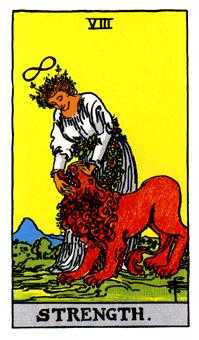
Example:A Reversed Strength card (Upright: gentle control) suggests an excess of force (the destructive outcome), showing aggressive behavior, bullying, or a lack of internal control over one's impulses.
Opposite or Internalized Energy: The energy has flipped to its antithesis, or the upright meaning is being focused inwardly instead of being expressed externally. This is most common with the Major Arcana.
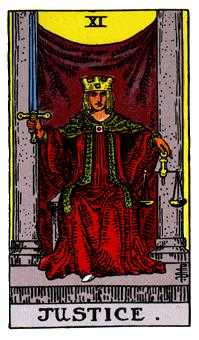
Example: Reversed Justice flips to injustice, unfairness, or legal complications. A Reversed Eight of Wands (Upright: rapid communication) can suggest inward focus or introspection, halting external communication.
Section 4: Pattern Analysis (Elemental Imbalance and Numerical Repetition)
A card gains its true depth from the cards around it. Advanced reading involves analyzing the elemental and numerical patterns in the spread. These patterns reveal the core nature of the challenge and the specific energy needed for resolution.
Elemental Imbalance (Diagnosis and Prescription)
Look at the distribution of the four suits in your spread. An imbalance reveals a blind spot or over-reliance on one energy. This section provides a diagnosis of the problem and the necessary energetic prescription.
Excessive Swords (Diagnosis): Too much mental energy, anxiety, over-analysis, or intellectual conflict. The querent is trapped entirely 'in their head'.
Prescription (Action Needed): Draw on Cups (emotional processing) to find empathy and understanding, or Pentacles (grounding) to execute a tangible, physical step that breaks the cycle of thought.
Excessive Cups (Diagnosis): Overly emotional, highly sensitive, prone to fantasy, or passive behavior. Lack of clear boundaries or direction in relationships.
Prescription (Action Needed):
Draw on Swords (logic) to set clear, necessary boundaries, or Wands (action) to make a bold, decisive move rather than waiting passively for change.
Excessive Pentacles (Diagnosis): Overemphasis on material security, routine, work, or control. Life may feel rigid, overly practical, risk‑averse, or emotionally barren. The querent may be stuck in survival mode, valuing safety over growth, or defining worth solely through productivity and possessions.
Prescription (Action Needed): Draw on Wands to reintroduce passion, risk, and forward momentum, or Cups to reconnect with emotional meaning and joy. Creativity, play, or heartfelt connection is needed to soften material fixation.
Excessive Wands (Diagnosis): Too much fire and motion — impulsiveness, restlessness, burnout, scattered focus, or constant initiation without completion. The querent may chase excitement, avoid stillness, or leap before considering consequences.
Prescription (Action Needed): Draw on Pentacles to slow down and build something sustainable, or Swords to pause, reflect, and create a clear plan. Discipline and reflection are needed to channel raw energy productively.
Lack of Swords (Diagnosis): Lack of clarity, avoidance of truth, poor communication, or difficulty making decisions. The querent may rely solely on feelings or actions without thinking things through, leading to confusion or misinterpretation.
Prescription (Action Needed): Engage Swords energy by seeking information, asking direct questions, journaling, or having an honest conversation. Clear thinking, logic, and boundaries are required before moving forward.
Lack of Cups (Diagnosis): Emotional disconnection, suppression of feelings, difficulty with vulnerability, or relationships lacking depth. The querent may intellectualize or act without acknowledging emotional needs, leading to emptiness or strain in connections.
Prescription (Action Needed):Invite Cups energy by allowing emotional expression, practicing empathy, or tending to inner emotional needs. Reflection, creative expression, or emotional honesty will restore balance.
Lack of Pentacles (Diagnosis): Not grounded, focused only on theory or emotion. Indicates financial, health, or fundamental home life instability.
Prescription (Action Needed): A practical, real-world step is required. Focus immediately on the physical body (health), securing finances, or establishing a domestic foundation.
Lack of Wands (Diagnosis): No energy, procrastination, boredom, lack of passion or direction. The querent is unmotivated and stagnant.
Prescription (Action Needed): A creative spark or a bold, willful move is needed. Look to external inspiration, seek a new mentor, or embrace a challenging project to reignite the inner fire.
Numerical Repetition (Magnified Energy)
If a specific number (2 through 10) repeats two or more times in a reading, the energy of that number is magnified and becomes the theme of the reading, irrespective of the suits.
Dominance of Twos (Choice/Duality): Every aspect of the reading revolves around partnership, balance, or a decision that must be made. The question is "Which way?"
Dominance of Threes (Growth/Initial Result): The core theme is the beginning stages of creation, expansion, or celebration. Focus on the first signs of success and collaboration.
Dominance of Fours (Stability/Stagnation): The core issue is security, foundation, home, or a feeling of being stuck in a necessary structure. Change is difficult because security is prioritized.
Dominance of Fives (Conflict/Loss): The querent is going through a period of intense challenge and strife. The struggle is the main lesson, signifying a necessary disruption of the status quo.
Dominance of Sixes (Harmony/Shift): The reading centers on resolution, movement, or harmony. The universe is offering a moment of peace or aid.
Dominance of Sevens (Testing/Faith): The core theme is an internal or external test. The querent must rely on their persistence, integrity, or internal faith to navigate obstacles.
Dominance of Eights (Action/Mastery): The querent has the power to effect rapid change through discipline and focused action. It's time to execute plans and master the skills learned.
Dominance of Nines (Fulfillment/Climax): The reading centers on the climax of a situation, wish fulfillment, or the emotional anxiety just before the end of a long journey.
Dominance of Tens (Completion/Burden): The reading centers on finality, carrying a heavy load, or the conclusion of a long-term cycle. A new beginning is imminent once the weight is released.
Section 5: Timing and Specificity in Readings (Deep Dive)
Timing a Tarot reading is notoriously difficult, as the cards represent energies and tendencies, not fixed clocks. We use a combination of elemental and numerical correspondences to estimate the speed of an outcome and the likely period of manifestation.
The Element Clock (Speed of Action)
The suit of the card representing the outcome often dictates how quickly that event will arrive.
Wands (Fire): The fastest. Days or Weeks. Fire is immediate and transformative.
Swords (Air): Also fast, but often requires an intellectual decision first. Weeks or 1-2 Months. Air is quick to arrive but also quick to pass.
Cups (Water): Medium speed. Events tied to emotional cycles take longer to resolve. 2 to 3 Months. Water moves slowly but surely.
Pentacles (Earth): The slowest. Requires physical manifestation, effort, and time to germinate. 3 Months to a Year.
The Numerical Clock (Refinement and Unit)
Ace (1): Immediate/New Cycle. Indicates the event is happening now or within the shortest possible timeframe (1 day/week). Example: Ace of Wands: Within 1 day or 1 week.
Two (2) - Four (4): Days/Weeks/Months. These are the numbers of immediate action or foundation. Use days or weeks as the primary unit. Example: Four of Cups (Water): Discontent lasts for 4 weeks.
Five (5) - Seven (7): Weeks/Months. These are the numbers of conflict and persistence. Use weeks or months for a mid-range timeline. Example: Seven of Pentacles (Earth): Wait 7 months for the harvest.
Eight (8) - Nine (9): Months (Near End). These are the numbers of mastery and climax. Use months for a long-term goal nearing completion. Example: Nine of Cups (Water): Wish fulfillment in 9 months.
Ten (10): Full Cycle/Year. Signifies the completion of a cycle. The event is long-term and requires a full rotation of the seasons. Example: Ten of Pentacles (Earth): Secure legacy established within a year.
Integrating Astrology for Precision (Major Arcana Only)
For Major Arcana cards, the zodiacal or planetary correspondence can provide a definitive seasonal or calendar timing.
The Fool (0): Corresponds to Air. Indicates no fixed timing — the beginning occurs when the leap is taken.
The Magician (I): Corresponds to Mercury. Timing relates to communication, contracts, learning, travel, or swift developments.
The High Priestess (II): Corresponds to the Moon. Timing aligns with lunar cycles; events unfold around New or Full Moons, often gradually or hidden.
The Empress (III): Corresponds to Venus. Timing connects to love, fertility, creativity, pleasure, or financial growth periods.
The Emperor (IV): Corresponds to Aries (March 21 - April 19). The event may manifest during this month.
The Hierophant (V): Corresponds to Taurus (April 20 - May 20).
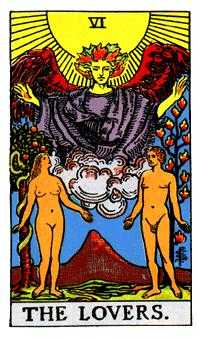
The Lovers (VI): Corresponds to Gemini (May 21 - June 20).
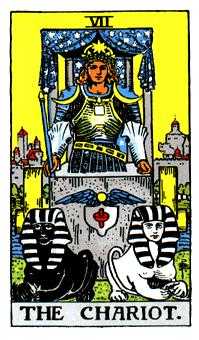
The Chariot (VII): Corresponds to Cancer (June 21 - July 22).
Strength (VIII): Corresponds to Leo (July 23 - August 22).
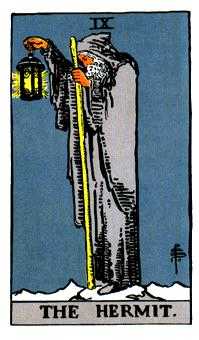
The Hermit (IX): Corresponds to Virgo (August 23 - September 22).
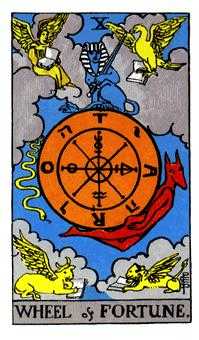
Wheel of Fortune (X): Corresponds to Jupiter. Timing involves sudden opportunity, luck shifts, expansion, or fate-driven events.
Justice (XI): Corresponds to Libra (September 23 - October 22).
The Hanged Man (XII): Corresponds to Neptune. Timing is indeterminate; delays, pauses, or surrender until clarity emerges.
Death (XIII): Corresponds to Scorpio (October 23 - November 21).
Temperance (XIV): Corresponds to Sagittarius (November 22 - December 21).
The Devil (XV): Corresponds to Capricorn (December 22 - January 19).
The Tower (XVI): Corresponds to Mars. Timing is abrupt and immediate; sudden disruption, conflict, or forced change.
The Star (XVII): Corresponds to Aquarius (January 20 - February 18).
The Moon (XVIII): Corresponds to Pisces (February 19 - March 20).
The Sun (XIX): Corresponds to the Summer season or July/August.
Judgement (XX): Corresponds to Pluto. Timing signals a point of no return; revelations, awakening, or irreversible transformation.
The World (XXI): Corresponds to Saturn / Earth. Timing reflects long-term completion, maturity, and the end of a major cycle.
Section 6: Advanced Spreads for Intricate Analysis (Detailed Layouts)
Moving beyond the Celtic Cross, these spreads allow for intricate analysis of cause, effect, and multiple influential factors.
The Relationship Spread (Seven Cards)
Purpose: To analyze the dynamic between two people (or between the querent and an object/goal) and reveal underlying issues.
Layout Shape: Three Columns (A, B, C) with a single base card (D).
Position 1 & 2 (Column A - The Querent): Card 1 (Immediate Feelings) / Card 2 (Hidden Fears/Wants)
Position 3 & 4 (Column B - The Other Person): Card 3 (External Actions) / Card 4 (Internal Motives/Unseen Influences)
Position 5 & 6 (Column C - The Shared Energy): Card 5 (The Primary Challenge) / Card 6 (The Ultimate Potential).
Position 7 (Base D): The Foundation or Core Advice for the relationship.
The Shadow Work Spread (Four Cards)
Purpose: To gain insight into a difficult or recurring negative pattern (the Shadow) and how to integrate its lesson for personal healing.
Layout Shape: A Diamond or Square.
Position 1 (Top): The Mask—the identity you present to the world.
Position 2 (Bottom): The Shadow—the hidden wound, fear, or subconscious belief driving the unwanted pattern.
Position 3 (Left): The Lesson—what the Shadow urgently needs you to acknowledge or learn.
Position 4 (Right): The Integration—the constructive action or new mindset needed to heal the pattern.
The Hexagram of Manifestation (Seven Cards)
Purpose: To analyze a goal from all angles—its past, present, future, and the forces for and against its manifestation.
Layout Shape: A Diamond or Square.
Position 1 (Center): The Goal—the querent’s definition of the desire.
Position 2 (Top Point): Foundation/Past—the past energy or belief that created the current situation.
Position 3 (Top-Right): Action Required—the internal change in mindset needed to move forward.
Position 4 (Bottom-Right): External Influence—the outside factors (people, environment, luck) working for or against you.
Position 5 (Bottom Point): Obstacle—the primary challenge or block in the path.
Position 6 (Bottom-Left): The Pathway—the immediate next step to take to bypass the obstacle.
Position 7 (Top-Left): The Result—the likely outcome if the actions in Cards 3 and 6 are followed.